Mold growth is a common problem for homeowners in Northern Virginia, particularly in areas that experience high humidity or heavy rainfall. Mold can appear on walls, ceilings, floors, and even furniture, causing both cosmetic damage and health concerns. When mold begins to grow in your home, it can quickly spread and deteriorate the quality of your indoor environment. Therefore, addressing mold issues promptly is crucial to prevent further damage and ensure a safe living space.
This blog will guide you through the importance of professional mold services, how mold can affect your home and health, and the steps involved in mold removal. Whether you’re dealing with visible mold or suspect it’s hidden in your walls, having the right mold remediation service is essential for protecting your property and your family’s health.
What is Mold, and How Does It Grow?
Mold is a type of fungus that thrives in moist, warm environments. It produces spores that are carried through the air and can land on various surfaces inside your home. When these spores land in areas with excess moisture, they begin to grow and spread. Common places where mold thrives include basements, bathrooms, kitchens, and any area that has experienced water damage or leaks.
Mold can grow on various surfaces, including drywall, wood, carpet, and fabrics. In addition to the aesthetic damage it causes, mold growth can also lead to structural damage over time. The spores released by mold can also cause health problems, particularly for individuals with respiratory conditions like asthma or allergies.
The most common types of mold found in homes include:
- Aspergillus
- Cladosporium
- Penicillium
- Stachybotrys (Black Mold)
Each of these molds can cause different levels of damage and health risks, with black mold being particularly dangerous due to its potential toxicity.
How Mold Affects Your Home and Health
Mold not only damages your property but also poses serious health risks. It’s important to address mold growth as soon as possible to minimize its impact.
- Structural Damage
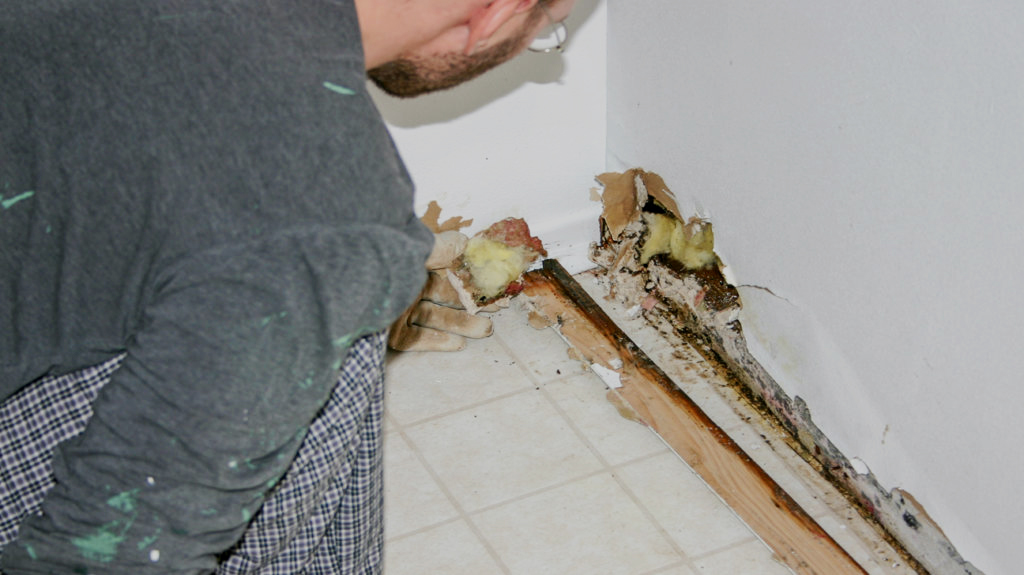
Mold can weaken building materials like wood, drywall, and insulation. If left untreated, mold growth can cause rot and decay, which may lead to costly repairs. Mold can even compromise the integrity of your home’s foundation, making it unsafe to live in if it’s not properly mitigated.
- Health Issues
Mold produces mycotoxins, which are harmful to human health. Prolonged exposure to mold spores can lead to respiratory problems, including coughing, sneezing, nasal congestion, and throat irritation. In more severe cases, it can cause asthma attacks or allergic reactions. People with weakened immune systems or pre-existing respiratory conditions are particularly vulnerable.
- Odor Problems
Mold emits a musty, unpleasant odor that can quickly spread throughout your home. This odor can linger even after the visible mold has been removed, which is why professional mold remediation services are essential to eliminate both the mold and the odor effectively.
Signs You May Need Mold Services
Mold growth is often hidden, making it difficult to detect without a thorough inspection. However, there are several signs you can look for that may indicate mold is present in your home:
- Visible Mold Spots
The most obvious sign of mold is the appearance of black, green, or white spots on walls, ceilings, or other surfaces. - Musty Odor
If your home has a musty smell, it could be an indication of mold growth. This odor is often strongest in damp areas like basements or bathrooms. - Water Damage
Leaking pipes, roof leaks, or flooding can create the ideal conditions for mold growth. If your home has experienced water damage, mold is likely to follow if it wasn’t properly cleaned up. - Health Symptoms
If you or your family members begin to experience unexplained coughing, sneezing, wheezing, or headaches, it could be due to mold exposure. Mold can trigger asthma attacks or other respiratory issues, particularly for vulnerable individuals. - Condensation or Dampness
Excess moisture in your home, such as condensation on windows or water pooling on floors, creates an environment conducive to mold growth. If you notice consistent dampness or moisture buildup in certain areas, mold may be growing in hidden spots.
The Mold Removal and Remediation Process
Mold removal and remediation is a comprehensive process that requires specialized knowledge and equipment. Here are the key steps involved in professional mold remediation:
- Inspection and Assessment
A professional mold service begins with a thorough inspection of your property to identify the source of moisture and determine the extent of the mold growth. They may use tools such as moisture meters and infrared cameras to detect hidden mold.
- Containment
To prevent mold spores from spreading to unaffected areas of the home, the affected area is sealed off using plastic sheeting. Negative air pressure may also be used to control airflow and prevent the spread of mold spores during the remediation process.
- Mold Removal
Once containment is in place, the mold is removed from surfaces using specialized cleaning agents and techniques. In some cases, porous materials like drywall or carpet may need to be removed and replaced if they have been extensively damaged by mold.
- Cleaning and Disinfection
All surfaces in the affected area are thoroughly cleaned and disinfected to remove mold spores and prevent further growth. This may include cleaning air ducts and HVAC systems, as mold spores can travel through the air and settle in these areas.
- Drying and Dehumidification
To prevent future mold growth, it’s crucial to address the moisture problem. High-powered dehumidifiers and air movers are used to dry out the affected area and reduce humidity levels in your home.
- Restoration and Repairs
In cases where mold has caused significant damage to building materials, restoration and repairs are necessary to restore the property to its original condition. This may involve replacing drywall, flooring, insulation, and other materials.
Why Choose Professional Mold Services?
While DIY mold removal may seem like a cost-effective option, professional mold services are essential for several reasons:
- Expertise and Experience
Mold removal is a complex process that requires expertise. Professionals are trained to identify mold sources, assess the damage, and properly remove mold without causing further contamination. - Comprehensive Solution
Mold services include not only mold removal but also the identification of underlying moisture issues, cleaning, dehumidification, and restoration. Professionals address the entire problem, ensuring that the mold doesn’t return. - Health and Safety
Mold removal can release harmful spores into the air. Professionals use proper containment and protective equipment to minimize the risk of exposure during the remediation process, ensuring that your family and pets stay safe. - Advanced Equipment
Professional mold remediation companies use high-powered tools and cleaning agents that are not available to homeowners. This ensures thorough removal and prevents mold from reappearing.
Trust RAMS100 for Reliable Mold Services in Northern Virginia
If you suspect mold growth in your home, it’s essential to act quickly to prevent further damage and health risks. Professional mold services provide a thorough, safe, and effective way to eliminate mold and restore your home to a healthy, livable state. At RAMS100, we offer expert mold remediation services in Northern Virginia, ensuring that your property is free from mold and moisture-related issues. Our team of experienced professionals uses advanced equipment and proven techniques to provide you with peace of mind and a safe, clean living environment.
Frequently Asked Questions (FAQs)
- How can I tell if I have mold in my home?
Visible mold growth, a musty odor, or symptoms like coughing or sneezing may indicate a mold problem. - Can mold cause health issues?
Yes, mold exposure can lead to respiratory problems, allergic reactions, and other health issues, particularly for individuals with asthma or weakened immune systems. - What causes mold growth?
Mold grows in damp, humid environments. It can occur after water damage, leaks, or areas with poor ventilation. - Can I remove mold myself?
While small patches of mold can be cleaned with household products, professional mold remediation is essential for large infestations or mold in hidden areas. - How long does mold removal take?
The duration depends on the severity of the mold problem. It can take anywhere from a few days to a week. - Is mold removal covered by insurance?
Many homeowners’ insurance policies cover mold removal if the mold is caused by a covered event, such as a water leak. Check with your insurance provider for specific details. - How can I prevent mold from coming back?
Fix any leaks, improve ventilation, use dehumidifiers, and keep humidity levels below 60% to prevent mold from reappearing. - Can mold damage my property?
Yes, mold can weaken building materials like drywall and wood, causing structural damage if left untreated. - Is mold removal a DIY project?
It’s not recommended to tackle mold removal on your own, especially if the infestation is widespread. Professional services ensure safe and effective remediation. - What should I do if I see mold?
Contact a professional mold remediation service immediately to assess the situation and begin the cleanup process.