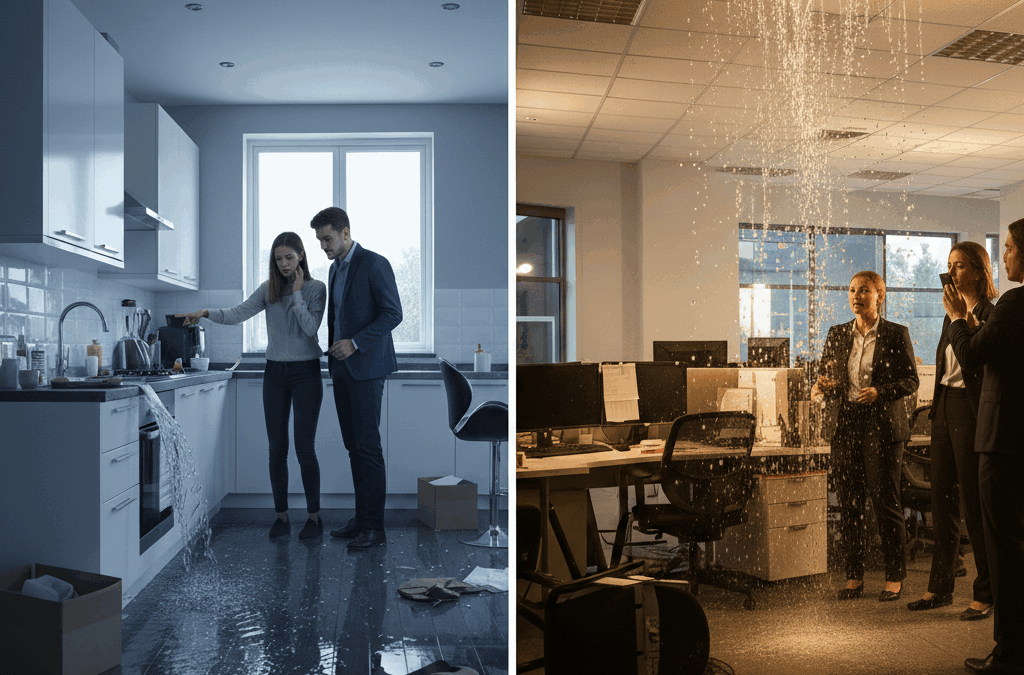
Water damage can occur at any time, often without warning. Burst pipes, overflowing appliances, severe storms, or plumbing failures can quickly flood a home or commercial space. When water spreads through floors, walls, and ceilings, immediate action is essential to prevent long-term damage. Understanding how restoration works and what steps to take helps property owners respond with confidence during a stressful situation.
Why water damage requires immediate attention
Water begins to damage building materials almost instantly. Drywall absorbs moisture and loses strength, wood swells and warps, and flooring materials can separate or buckle. Even when the visible water is removed, moisture often remains hidden behind walls or under floors. If not addressed promptly, this moisture can lead to mold growth, structural decay, and costly repairs.
Quick response reduces the spread of damage and increases the likelihood that materials and personal belongings can be saved.
What emergency water damage restoration involves
Emergency water damage restoration is a professional process designed to stabilize a property after sudden water intrusion. The primary goal is to stop further damage, remove moisture, and restore safe conditions as quickly as possible. This service goes beyond simple water removal and focuses on thorough drying and damage prevention.
Restoration professionals use specialized equipment and proven techniques to manage water damage efficiently and safely.
Common causes of sudden water damage
Unexpected water damage can result from many situations. Burst or leaking pipes are among the most common causes, especially in older plumbing systems. Appliance malfunctions, such as washing machines or water heaters, can release large volumes of water in a short time. Heavy rain, roof leaks, and flooding during storms also pose serious risks to properties.
Regardless of the source, the restoration approach focuses on controlling moisture and preventing further deterioration.
The first steps taken during restoration
The restoration process typically begins with a detailed assessment. Professionals inspect the affected areas, identify the source of water, and measure moisture levels. Safety concerns such as electrical hazards or weakened structures are addressed immediately.
Once the property is stabilized, water extraction begins. High-powered pumps and vacuums remove standing water quickly, reducing the amount of moisture that can spread into surrounding materials.
How drying and dehumidification protect the structure
After water extraction, drying and dehumidification become critical. Industrial-grade air movers and dehumidifiers are used to remove moisture from walls, floors, and air. Moisture meters and thermal imaging tools help detect hidden damp areas that could otherwise be missed.
Proper drying prevents warping, swelling, and mold development, ensuring the structure remains sound and safe.
The connection between water damage and mold growth
Mold thrives in damp environments and can begin developing within a short period after water exposure. Even small amounts of residual moisture can create conditions for mold to spread behind walls, under flooring, or inside ventilation systems.
Professional restoration focuses on eliminating moisture completely, which is the most effective way to prevent mold growth and protect indoor air quality.
Why professional restoration is safer than DIY cleanup
While it may be tempting to handle water damage alone, professional restoration offers important advantages. Water damage often involves contaminated water, hidden moisture, and potential structural hazards. Professionals use protective equipment and industry-approved methods to manage these risks safely.
DIY efforts may remove visible water but often fail to address moisture trapped inside materials, leading to recurring problems and higher costs over time.
How restoration supports indoor air quality
Water damage can introduce bacteria, allergens, and excess humidity into indoor air. Restoration services include cleaning and air filtration measures that help restore healthy air conditions. Removing moisture and contaminants improves comfort and reduces health risks for occupants.
Good indoor air quality is especially important for children, elderly individuals, and those with respiratory sensitivities.
What happens after restoration is complete
Once drying and cleaning are complete, restoration may include repairs such as replacing damaged drywall, flooring, or insulation. Professionals may also recommend preventive measures to reduce future risks, such as fixing plumbing issues, improving drainage, or monitoring humidity levels.
These steps help ensure the property remains protected long after the immediate damage is resolved.
Choosing the right restoration provider
Selecting a qualified restoration provider is essential for effective recovery. Look for experience, clear communication, and a focus on safety and thoroughness. A reliable provider explains the process, sets realistic expectations, and prioritizes long-term results rather than temporary fixes.
Working with the right team reduces stress and ensures the property is restored correctly the first time.
Conclusion
Sudden water damage can disrupt daily life and threaten the safety of a property if not handled properly. Fast response, professional equipment, and expert techniques are key to minimizing damage and preventing long-term issues. By addressing moisture thoroughly and restoring safe conditions, restoration services help property owners recover with confidence. When reliability, quality, and care matter most, trusted solutions like RAMS100 stand for professionalism and dependable recovery during every restoration project.
Frequently Asked Questions
- What situations require emergency water damage restoration?
Sudden flooding, burst pipes, appliance leaks, roof leaks, and storm-related water intrusion require immediate restoration. - How fast should water damage be treated?
Water damage should be treated as soon as possible to prevent structural damage and mold growth. - Can water damage exist even if water is no longer visible?
Yes, moisture often remains hidden inside walls, floors, and ceilings. - Is mold always caused by water damage?
Mold commonly develops after water damage when moisture is not fully removed. - Does restoration include drying walls and floors?
Yes, professional restoration includes controlled drying and dehumidification of all affected materials. - Is water damage restoration safe for occupants?
Safety depends on the extent of damage; professionals will advise if temporary relocation is necessary. - How long does the restoration process usually take?
The timeline varies based on damage severity, property size, and drying requirements. - Are restoration services covered by insurance?
Coverage depends on the cause of damage and the details of the insurance policy. - Can restoration prevent future water damage?
Restoration can reduce risk by addressing underlying issues and recommending preventive measures. - How can property owners reduce water damage risks?
Regular maintenance, prompt leak repairs, proper drainage, and monitoring plumbing systems help reduce future risks.