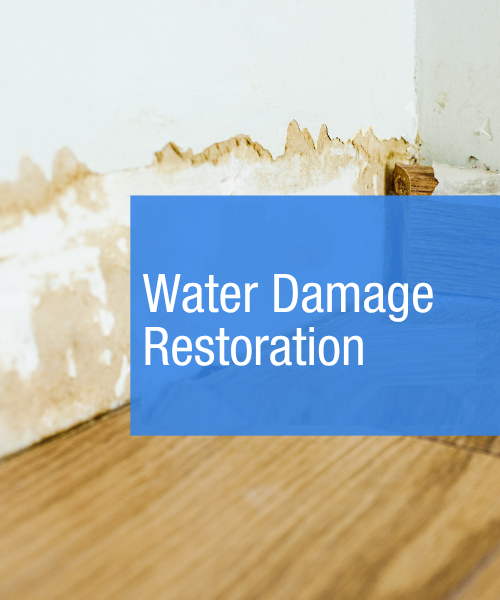
Water damage is one of the most disruptive problems a property owner can face. Whether it occurs in a commercial building or a residential property, uncontrolled water intrusion can quickly affect structural integrity, indoor air quality, and the safety of occupants. Even a small amount of water entering walls, ceilings, or flooring can lead to widespread damage if the issue is not addressed promptly.
In many cases, water damage begins silently. A hidden pipe leak, roof weakness, or drainage failure can allow moisture to build gradually inside building materials. When the problem becomes visible, the damage may already be extensive. This is why fast professional restoration services play a critical role in protecting properties from long term structural issues and health risks.
Restoration professionals use specialized equipment, industry knowledge, and proven methods to remove water, restore affected structures, and ensure that the property environment becomes safe again. Understanding how water damage affects buildings and why professional restoration is essential can help property owners respond effectively when an emergency occurs.
The Hidden Impact of Water Damage on Buildings
Water damage rarely stays confined to one location. Once water enters a building, it begins to travel through porous materials such as drywall, wood, insulation, carpeting, and ceiling panels. These materials absorb moisture quickly, allowing water to spread through walls and floors without being immediately noticeable.
Over time, trapped moisture weakens structural components and increases the risk of mold growth. Wooden framing may begin to warp, drywall can crumble, and flooring materials may separate or swell. If electrical wiring or mechanical systems are exposed to water, additional safety risks may develop.
Commercial properties face even greater challenges because their infrastructure often includes large electrical systems, HVAC units, data equipment, and multiple occupancy areas. Damage affecting one part of the building may disrupt operations across the entire facility.
Because of these risks, restoration professionals emphasize quick response and thorough drying to prevent damage from spreading further.
Why Water Damage Requires Immediate Professional Attention
Many property owners initially attempt to remove water using household equipment or simple cleaning methods. While this may remove surface water, it rarely addresses the moisture trapped within structural materials. Hidden moisture remains one of the most dangerous aspects of water damage because it can continue damaging the building long after visible water disappears.
Professional restoration teams use specialized moisture detection tools to locate hidden damp areas within walls, ceilings, and flooring. Industrial drying systems then remove moisture from deep within building materials.
Ignoring water damage or attempting incomplete repairs can result in long term consequences including structural weakening, mold contamination, and costly reconstruction.
For property owners facing urgent situations, services like emergency water damage restoration Services in Reston, VA provide rapid response solutions designed to prevent further deterioration and restore buildings quickly.
The Relationship Between Water Damage and Mold Growth
One of the most serious consequences of untreated water damage is mold development. Mold spores naturally exist in indoor and outdoor environments, but they only grow when moisture and organic materials are present. Once mold begins developing inside building structures, it can spread rapidly through ventilation systems and wall cavities.
Mold contamination can cause damage to building materials while also affecting indoor air quality. Occupants exposed to mold may experience respiratory irritation, allergies, or other health concerns.
Professional restoration services focus on eliminating the moisture that allows mold to grow. By removing water quickly and drying materials thoroughly, restoration teams reduce the likelihood of mold contamination and protect the indoor environment.
Structural Risks Associated with Prolonged Moisture
Water damage can compromise the structural integrity of a building if it remains untreated. Wooden beams may weaken, metal components can corrode, and foundation materials may deteriorate when exposed to excessive moisture.
Over time, these issues may lead to sagging ceilings, unstable flooring, or wall cracks. In commercial buildings, such structural problems may create serious safety concerns for employees and customers.
Professional restoration services evaluate structural components carefully during the recovery process. Specialists ensure that weakened materials are repaired or replaced so the building can safely support normal operations again.
Protecting Business Operations from Water Damage
Commercial properties rely heavily on uninterrupted operations. Offices, retail spaces, healthcare facilities, and industrial buildings all depend on functional infrastructure to serve employees and customers.
Water damage can disrupt these operations in several ways. Electrical systems may become unsafe, office equipment may be damaged, and indoor environments may become unsuitable for occupancy. When these situations occur, businesses may face temporary closures or relocation challenges.
Fast restoration services help reduce downtime by addressing damage quickly and restoring building systems efficiently. Businesses that act promptly often recover more quickly and avoid extensive operational losses.
The Importance of Professional Equipment and Expertise
Restoring water damaged properties requires advanced tools and technical expertise that go beyond basic cleanup methods. Professional restoration teams use specialized equipment designed specifically for large scale moisture removal and environmental restoration.
Common equipment used during professional restoration includes:
- Industrial water extraction pumps
- High capacity air movers
- Commercial grade dehumidifiers
- Thermal imaging cameras for moisture detection
- Air filtration systems for contaminant removal
These technologies allow restoration professionals to identify hidden damage, remove moisture efficiently, and restore buildings safely.
Without this equipment, it can be difficult to ensure that all moisture has been eliminated from the property.
Maintaining Property Value Through Proper Restoration
A building that has experienced water damage may lose value if repairs are not handled properly. Structural issues, mold contamination, or cosmetic damage can reduce the attractiveness of the property to tenants, buyers, or customers.
Professional restoration services help protect property value by ensuring that repairs meet industry standards and building codes. Thorough restoration not only repairs visible damage but also addresses underlying issues that could affect the long term durability of the structure.
For commercial property owners, maintaining building condition is essential for protecting investment value and maintaining a professional environment for tenants and clients.
The Role of Preventative Property Maintenance
While restoration services are essential after water damage occurs, preventative maintenance can help reduce the likelihood of major damage events. Property owners who regularly inspect their buildings are more likely to detect early signs of leaks, drainage issues, or roofing problems.
Routine inspections of plumbing systems, roofing materials, and drainage infrastructure can help identify potential problems before they escalate. Monitoring indoor humidity levels and maintaining HVAC systems also helps reduce moisture buildup inside buildings.
Preventative maintenance cannot eliminate all risks, but it significantly reduces the chances of severe water damage incidents.
Conclusion
Water damage is a serious issue that can affect the safety, functionality, and value of residential and commercial properties. Even minor water intrusion can spread quickly through building materials, leading to structural deterioration and environmental concerns if it is not addressed promptly.
Professional restoration services play a vital role in removing water, repairing damage, and restoring safe indoor environments. Quick response, advanced equipment, and experienced professionals are essential for preventing long term structural issues and protecting property investments.
Property owners who rely on experienced restoration providers can recover more efficiently from water damage events. Trusted restoration specialists such as RAMS100 provide the expertise and resources necessary to restore properties quickly and ensure long term building safety.
Frequently Asked Questions
- What happens if water damage is not repaired quickly?
If water damage is ignored, moisture can spread through building materials, leading to structural damage and mold growth.
- Can water damage affect indoor air quality?
Yes, trapped moisture and mold growth can significantly impact indoor air quality and create health concerns.
- How does water damage spread inside buildings?
Water travels through porous materials like drywall, wood, and insulation, allowing it to move through walls and floors.
- Why is professional restoration important after water damage?
Professional restoration ensures complete moisture removal, structural repair, and safe indoor environments.
- Can water damage weaken a building structure?
Yes, prolonged exposure to moisture can weaken wooden beams, drywall, and foundation materials.
- What equipment do restoration professionals use?
Restoration specialists use pumps, dehumidifiers, air movers, moisture detectors, and air filtration systems.
- How soon can mold develop after water damage?
Mold can begin developing within 24 to 48 hours if moisture remains inside building materials.
- Can businesses remain open during restoration?
In some cases businesses can operate in unaffected areas while restoration work continues in damaged sections.
- What types of properties require water damage restoration?
Both residential homes and commercial buildings may require restoration after water damage events.
- How can property owners reduce the risk of water damage?
Regular maintenance, plumbing inspections, roof repairs, and proper drainage systems help reduce water damage risks.