Clear answers and practical guidance for homeowners and businesses dealing with damage
Property damage caused by water, fire, or mold can disrupt daily life and create serious safety concerns. When these issues are not handled correctly, they often lead to structural deterioration, unhealthy indoor environments, and costly long-term repairs. Understanding how restoration and mold services work helps property owners make informed decisions and act quickly when damage occurs.
What restoration and mold services are designed to do
Restoration and mold services focus on returning a property to a safe, functional, and healthy condition after damage. These services address the root causes of problems such as moisture intrusion, fire residue, smoke contamination, and mold growth. The goal is not only to repair visible damage but also to eliminate hidden risks that could affect health or structural stability in the future.
Why immediate restoration is critical after damage
Damage continues to worsen when action is delayed. Water seeps deeper into materials, smoke particles spread through ventilation systems, and mold multiplies rapidly in damp conditions. Early restoration limits the extent of damage, reduces repair costs, and shortens the recovery timeline. Fast response also protects occupants from potential health hazards.
How water damage impacts homes and buildings
Water damage weakens drywall, flooring, wood framing, and insulation. Even small leaks can cause significant problems if moisture remains trapped behind walls or under floors. Over time, this leads to material decay, mold growth, and unpleasant odors. Professional restoration removes water, dries affected areas, and stabilizes materials to prevent further deterioration.
What water damage restoration includes
Water damage restoration involves several critical steps. These include water extraction, moisture detection, controlled drying, dehumidification, cleaning, and sanitization. Each step ensures that moisture is fully removed and that the property is safe for continued use. Proper drying is essential to prevent mold and structural issues.
Understanding fire and smoke damage
Fire damage does not end when flames are extinguished. Smoke and soot spread throughout the property, settling on walls, ceilings, furniture, and inside air systems. These residues can cause corrosion, discoloration, and persistent odors. Without proper treatment, smoke damage can continue affecting the property long after the fire.
How fire and smoke restoration works
Fire and smoke restoration includes debris removal, soot cleaning, odor neutralization, and air purification. Specialized techniques are used to restore surfaces and improve indoor air quality. The process ensures that the space is safe, breathable, and suitable for occupancy again.
Why mold is a serious concern for property owners
Mold thrives in damp environments and spreads through airborne spores. It often grows in hidden areas such as behind walls, under flooring, or inside HVAC systems. Mold exposure can cause allergic reactions, respiratory issues, headaches, and irritation. It also damages building materials, reducing the lifespan of the structure.
How mold remediation prevents further damage
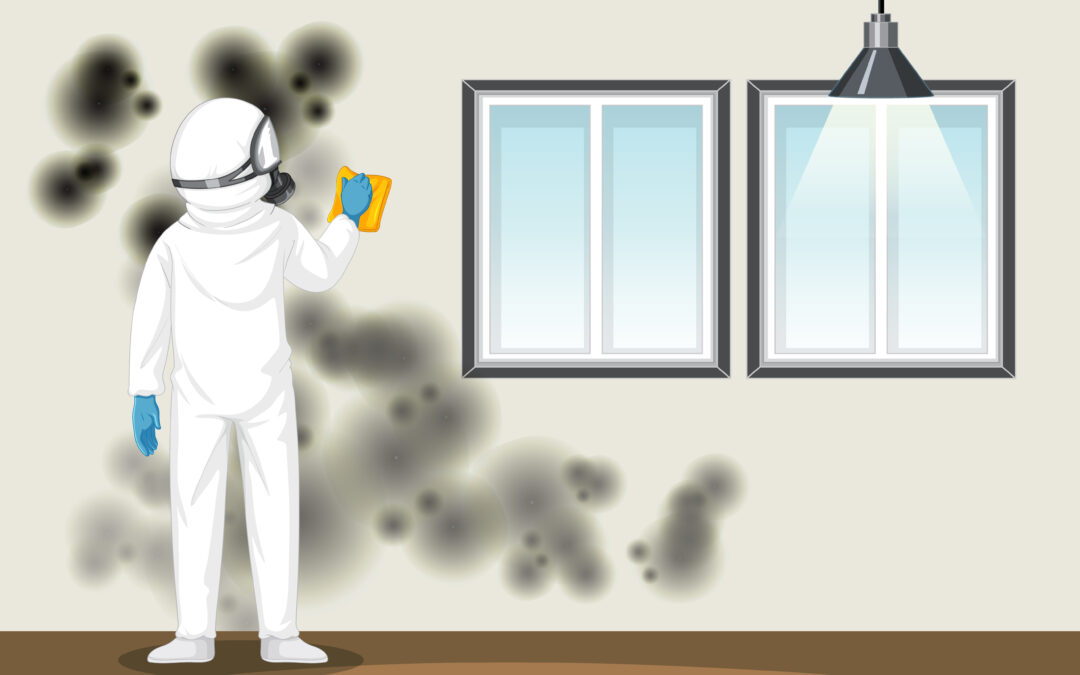
Mold remediation starts by identifying and stopping the moisture source. Affected areas are contained to prevent spores from spreading. Contaminated materials are removed or treated, surfaces are cleaned, and humidity levels are controlled. These steps prevent mold from returning and protect indoor air quality.
The importance of professional expertise
Restoration projects involve hazards such as contaminated water, unstable materials, and airborne particles. Professionals use protective equipment, advanced tools, and industry-approved methods to handle these risks safely. DIY solutions often address only surface damage, leaving hidden moisture or mold behind.
How restoration improves indoor air quality
Restoration services remove pollutants such as mold spores, smoke particles, and bacteria. Air filtration and cleaning techniques help restore healthy breathing conditions. Improved indoor air quality supports better health and comfort for occupants.
Preventing future property damage
Effective restoration includes guidance on prevention. This may involve sealing leaks, improving drainage, enhancing ventilation, and monitoring humidity levels. Preventive steps help protect the property long term and reduce the likelihood of recurring damage.
Choosing the right restoration partner
Selecting a qualified provider is essential for successful recovery. Look for experience, certifications, clear communication, and a commitment to safety. A Restoration and Mold Services Company with proven processes ensures thorough recovery and long-lasting results.
Conclusion
Property damage can be stressful and overwhelming, but professional restoration provides a clear path to recovery. By addressing water, fire, smoke, and mold issues correctly, restoration services protect structural integrity, indoor air quality, and occupant health. Acting quickly and choosing experienced professionals reduces risks and ensures lasting results. When reliability, safety, and expertise matter, trusted solutions like RAMS100 represent confidence and quality in every restoration project.
Frequently Asked Questions
- What types of damage require restoration services?
Restoration services are needed for water damage, fire damage, smoke contamination, mold growth, and moisture-related issues. - How fast should water damage be treated?
Water damage should be treated immediately to prevent structural problems and mold growth. - Can mold grow without visible water?
Yes, mold can grow from hidden moisture behind walls, floors, or ceilings. - Is mold dangerous to health?
Mold exposure can cause allergies, respiratory issues, and irritation. - Do restoration services include odor removal?
Yes, odor removal is commonly included, especially after fire or mold damage. - Is water damage always visible?
No, water damage is often hidden inside walls or under flooring. - Can restoration prevent mold from returning?
Yes, when moisture sources are fully eliminated and proper drying is completed. - Is it safe to stay in the property during restoration?
This depends on the severity of the damage; professionals will advise accordingly. - Are restoration services covered by insurance?
Coverage depends on the cause of damage and the insurance policy. - How can property owners reduce future damage risks?
Regular maintenance, quick leak repairs, proper ventilation, and humidity control help reduce future risks.