Practical Guidance for Homeowners and Businesses Facing Unexpected Property Damage
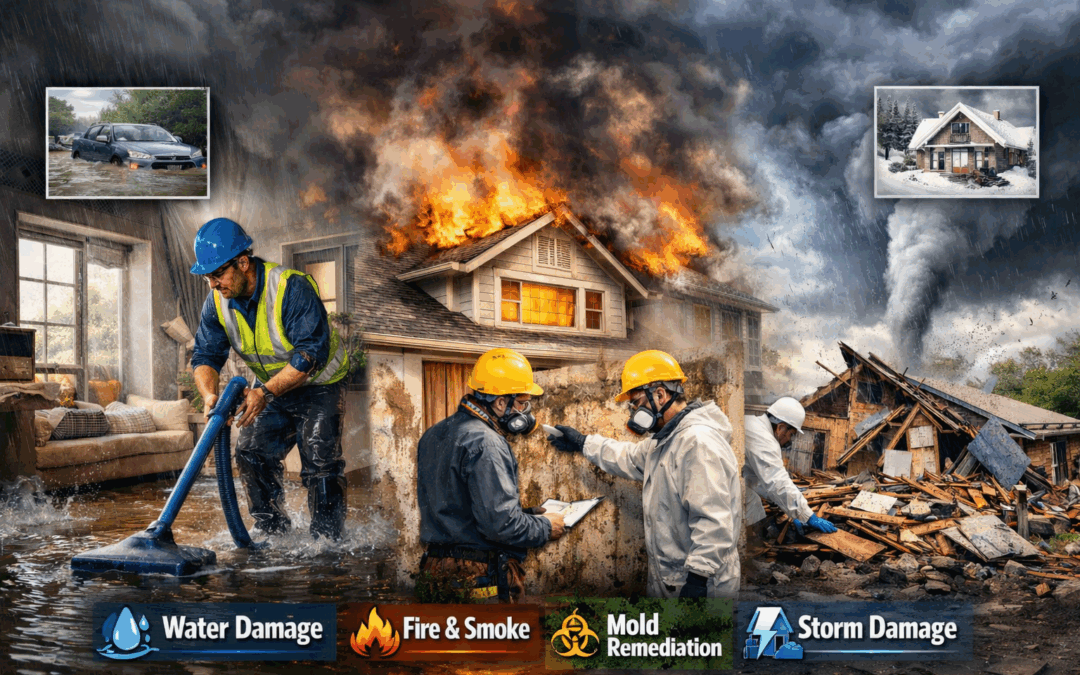
Disasters can strike without warning, leaving homes and commercial properties damaged, unsafe, and overwhelming to deal with. Flooding, fires, storms, and mold-related issues are not only stressful but can also disrupt daily life and business operations. Knowing how disaster restoration works and what to expect from the recovery process helps property owners respond quickly and make informed decisions during difficult times.
What disaster restoration means for property owners
Disaster restoration is the process of repairing and restoring a property after it has been damaged by natural or accidental events. These events may include water intrusion, fire and smoke damage, severe weather, or prolonged moisture exposure that leads to mold growth. Restoration focuses on safety, structural stability, and returning the property to a usable condition as efficiently as possible.
The restoration process goes beyond surface-level repairs. It addresses hidden damage, moisture trapped in building materials, and air quality concerns that could affect long-term health and comfort.
Why quick action is critical after a disaster
Time plays a major role in limiting damage. Water spreads quickly through walls and floors, smoke residues settle deep into materials, and damp conditions allow mold to develop rapidly. Delaying restoration often results in higher repair costs and extended downtime for homes or businesses.
Early intervention reduces the risk of secondary damage and shortens the overall recovery timeline. Prompt action also helps protect personal belongings, equipment, and inventory from further loss.
How water damage affects homes and commercial buildings
Water damage is one of the most common issues after storms, plumbing failures, or appliance leaks. It weakens drywall, warps wood, damages flooring, and compromises insulation. Moisture that is not properly removed can remain hidden and lead to mold growth or unpleasant odors.
Professional restoration uses moisture detection tools to identify affected areas and applies controlled drying techniques to stabilize the structure and prevent long-term deterioration.
Understanding fire and smoke damage
Fire damage does not end once the flames are out. Smoke and soot particles spread throughout the property, affecting walls, ceilings, furniture, and ventilation systems. These residues can cause corrosion, discoloration, and breathing discomfort if left untreated.
Fire and smoke restoration involves removing debris, cleaning affected surfaces, neutralizing odors, and improving indoor air quality so the property is safe to occupy again.
The risks associated with mold growth
Mold thrives in damp environments and often develops after water damage if drying is incomplete. It can grow behind walls, under floors, or inside HVAC systems, making it difficult to detect early. Mold exposure may lead to allergies, respiratory issues, headaches, and irritation.
Professional remediation focuses on removing mold safely, preventing cross-contamination, and addressing the moisture source to stop regrowth.
What to expect during the restoration process
The restoration process typically begins with an inspection and damage assessment. Professionals identify the cause of damage, measure moisture levels, and evaluate safety risks. Based on this assessment, a restoration plan is created that outlines the steps needed for recovery.
Restoration may include water extraction, drying, cleaning, sanitization, odor removal, material replacement, and repairs. Clear communication throughout the process helps property owners understand timelines and next steps.
The importance of professional expertise
Restoration projects involve potential hazards such as contaminated water, unstable materials, and airborne particles. Trained professionals use protective equipment, specialized tools, and industry-approved methods to manage these risks safely.
A disaster restoration company in Northern Virginia brings local experience, understands regional weather-related risks, and follows proper standards to ensure thorough and compliant recovery.
How restoration supports indoor air quality
Disasters often compromise indoor air quality by introducing mold spores, smoke particles, and bacteria. Restoration services include air filtration, cleaning, and deodorization to restore healthy breathing conditions. Improved air quality supports occupant health and comfort during and after recovery.
Preventing future damage after restoration
Effective restoration also focuses on prevention. Professionals may recommend sealing leaks, improving drainage, upgrading ventilation, or monitoring humidity levels. These measures reduce the likelihood of repeat damage and protect the property long term.
Prevention helps property owners avoid future disruptions and maintain the value of their investment.
Choosing the right restoration partner
Selecting the right restoration provider is essential for a successful outcome. Look for experience, certifications, clear communication, and a focus on safety. A reliable provider explains the process, sets realistic expectations, and prioritizes long-term solutions over temporary fixes.
Working with the right team reduces stress and ensures the property is restored correctly the first time.
Conclusion
Disasters can cause significant disruption, but professional restoration provides a clear path forward. By addressing water, fire, smoke, and mold damage promptly and correctly, restoration services protect property value, indoor air quality, and occupant well-being. Acting quickly and choosing experienced professionals makes recovery smoother and more effective. When reliability and expertise matter most, trusted solutions like RAMS100 represent confidence, quality, and commitment throughout every stage of the restoration process.
Frequently Asked Questions
- What types of disasters require restoration services?
Restoration services are needed after water damage, fire and smoke damage, storms, flooding, and mold-related issues. - How soon should restoration begin after a disaster?
Restoration should begin as soon as possible to limit damage and reduce repair costs. - Can water damage exist even if surfaces look dry?
Yes, moisture can remain hidden behind walls, under floors, or inside ceilings. - Is mold always visible?
No, mold often grows in concealed areas and may only be detected through odors or inspections. - Does fire restoration include odor removal?
Yes, odor neutralization is a standard part of fire and smoke restoration. - Is it safe to stay in a property during restoration?
Safety depends on the extent of damage; professionals will advise if temporary relocation is necessary. - How long does disaster restoration usually take?
The timeline varies based on damage severity, property size, and drying requirements. - Are restoration services typically covered by insurance?
Coverage depends on the cause of damage and the details of the insurance policy. - Can restoration help prevent future mold growth?
Yes, by eliminating moisture sources and properly drying affected areas. - How can property owners reduce future disaster risks?
Regular maintenance, prompt repairs, proper drainage, and good ventilation help reduce future risks.