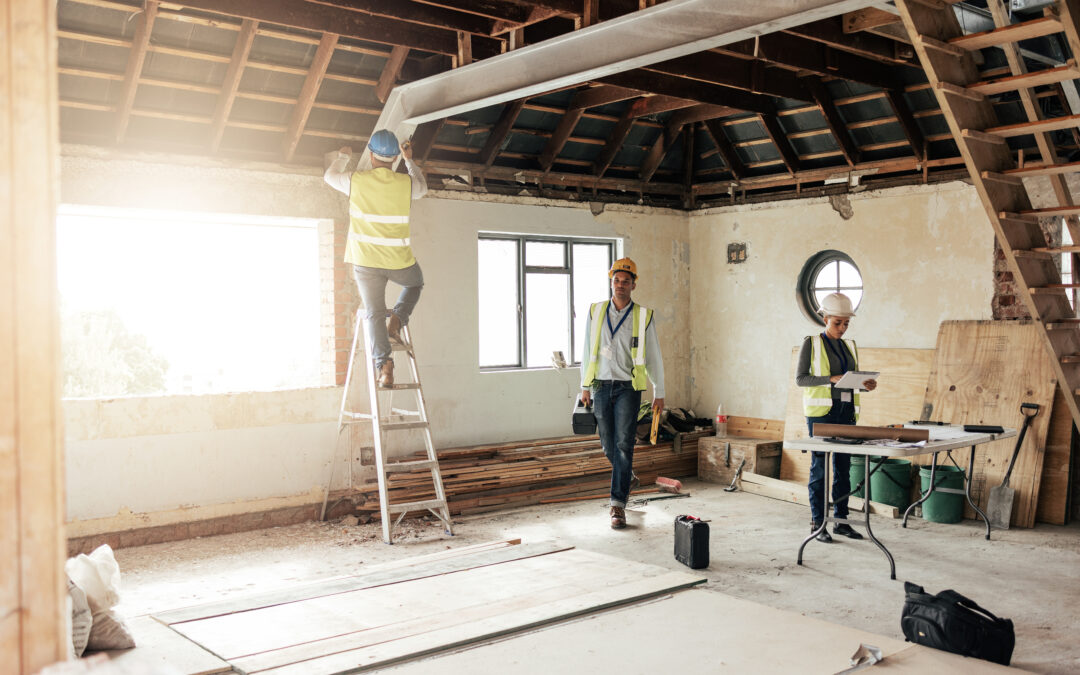
Disasters strike unexpectedly—whether it’s flooding from a burst pipe, smoke damage from a kitchen fire, mold growth after untreated moisture, or destruction caused by a severe storm. In these stressful moments, property owners need fast, reliable help they can trust. Choosing a disaster restoration company Northern Virginia homeowners rely on can make the difference between a smooth recovery and long-term property damage.
Restoration is more than cleanup. It is a structured, technical process designed to protect your safety, salvage your property, and restore your home or business to its original condition. Whether damage is small or extensive, a trained team with the right equipment can help you regain stability sooner.
Why Disaster Restoration Must Start Immediately
Disasters worsen over time. Water spreads rapidly, soaking floors, drywall, insulation, and electrical systems. Mold begins to grow within 24 to 48 hours, producing odors and health risks. Smoke from a fire embeds deeply into walls, fabrics, and ventilation systems, leaving long-lasting residue and toxins.
Immediate restoration provides three major benefits:
- Prevents Secondary Damage
Quick response reduces mold growth, structural weakening, and further contamination.
- Lowers Repair Costs
Fast action minimizes demolition and reduces the number of materials that must be replaced.
- Improves Safety
Removing toxins, odors, and contaminants protects your family, customers, and employees.
Types of Disaster Restoration Services Most Homes and Businesses Need
- Water Damage Restoration
Water damage can be caused by broken pipes, appliance failures, storms, sewage backups, or roof leaks. Professionals use powerful extraction pumps, moisture meters, dehumidifiers, and drying systems to remove water and prevent hidden damage that could surface weeks later.
- Fire and Smoke Restoration
Fires create multiple layers of damage—heat, soot, smoke, and odor. Restoration specialists clean soot deposits, remove damaged materials, deodorize spaces, restore air quality, and repair structural components.
- Mold Remediation
Mold spreads quickly and can affect air quality, weaken structures, and cause health concerns. Certified remediation teams identify moisture sources, contain infected areas, remove contaminated materials, and sanitize surfaces.
- Storm and Wind Damage Repair
High winds, fallen trees, heavy rain, and hail can cause immediate and widespread destruction. Restoration services include emergency board-ups, roof tarping, debris removal, and structural repairs to make the property safe again.
- Sewage and Biohazard Cleanup
Sewage backups, chemical spills, and hazardous waste require specialized handling. Professionals follow strict safety protocols, using protective equipment and advanced sanitation procedures to eliminate health risks.
The Step-By-Step Restoration Process Explained
Step 1: Emergency Response
Teams respond quickly, assess hazards, and prevent further damage. This may include shutting off water, stabilizing structures, or sealing openings.
Step 2: Detailed Inspection
Technicians evaluate every affected area using advanced tools such as infrared cameras, thermal scanners, and moisture meters.
Step 3: Water Extraction or Debris Removal
Depending on the disaster, they remove standing water, damaged materials, soot, or storm debris.
Step 4: Deep Cleaning & Decontamination
Surfaces are cleaned, sanitized, and deodorizers are applied to eliminate harmful odors and contaminants.
Step 5: Structural Drying or Repairs
Drywall, flooring, electrical systems, insulation, and roofing components are repaired or replaced as needed.
Step 6: Final Restoration
The final step returns your property to pre-damage condition. This includes painting, rebuilding, flooring replacement, or cosmetic finishing.
Why You Should Hire a Professional Restoration Team
✔ Trained Experts Handle Complex Damage
Professionals understand building science, restoration standards, and safety regulations.
✔ Advanced Equipment Maximizes Results
Industrial dehumidifiers, HEPA air scrubbers, and thermal imaging tools ensure accurate and efficient restoration.
✔ Insurance Support Reduces Stress
Experienced restoration companies work directly with insurance providers, helping property owners document damage and file claims correctly.
✔ Faster Recovery Time
A specialized team significantly speeds up the restoration timeline and prevents long-term complications.
✔ Long-Term Value Protection
Proper restoration prevents future mold, odors, corrosion, or structural damage, protecting the value of your home or business.
Common Signs You Need Restoration Services Immediately
- Standing water or moisture on floors and walls
- Black spots, musty odors, or visible mold
- Smoke residue or persistent burning smell
- Sagging ceilings or buckling floors
- Storm-damaged roofs or broken windows
- Sewage smells or contaminated water
- Sudden discoloration or stains on ceilings
If you notice any of these issues, immediate action can save thousands in repairs.
Disasters can feel overwhelming, but the right restoration partner brings clarity, safety, and peace of mind. With fast response, advanced technology, and expert care, your property can be restored efficiently and safely. For trusted, professional, and dependable restoration solutions in your area, RAMS100 stands ready to protect your home or business when you need it most.
FAQs
- What should I do first after water damage?
Shut off the water source, turn off electricity in affected areas, and call a restoration professional. - How long does disaster restoration take?
It depends on the damage—minor issues take days; major restoration may take weeks. - Can mold grow after a small leak?
Yes, mold can grow within 24–48 hours even from minimal moisture. - Is fire damage restoration safe to do myself?
No, soot and smoke contain toxic particles that require professional handling. - Will insurance cover restoration services?
Most policies cover fire, water, and storm damage, but coverage varies by policy. - Can wet carpets be restored?
Sometimes yes—depending on the contamination level and how quickly drying begins. - How do you remove smoke odors?
Using HEPA air scrubbers, ozone machines, and deep deodorization treatments. - What is considered hazardous water?
Category 3 water, such as sewage, floodwater, or chemical contamination. - Why does mold return after cleanup?
If moisture is not eliminated, mold can return—even after cleaning. - When should I call a restoration company?
Call immediately after water, fire, mold, storm, or sewage damage to prevent further harm.