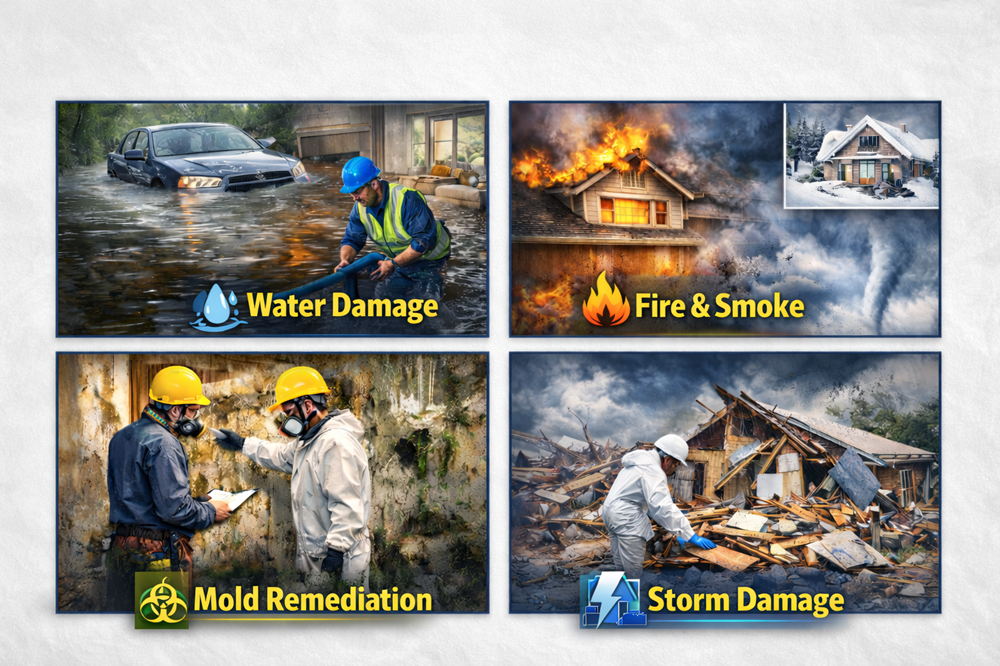
Property damage caused by water, fire, or mold can happen without warning and often creates stress, confusion, and urgent safety concerns. In Virginia, seasonal storms, aging infrastructure, and unexpected accidents can quickly turn a minor issue into a serious problem. Understanding how restoration services work and why professional help matters allows property owners to respond effectively and protect both their investment and health.
What damage restoration services are meant to solve
Damage restoration services are designed to return a property to a safe, functional, and healthy condition after an incident. These services address structural damage, moisture intrusion, contamination, and air quality issues caused by disasters or accidents. Restoration is not only about fixing what is visible but also about resolving hidden risks that could lead to future problems.
Professional restoration focuses on safety, long-term durability, and preventing recurring damage rather than temporary fixes.
Why immediate action matters after property damage
Time is a critical factor in restoration. Water spreads rapidly through walls, floors, and ceilings. Smoke particles settle deep into surfaces and ventilation systems. Damp conditions allow mold to begin growing within a short period. Delaying restoration often leads to increased repair costs, longer downtime, and greater health risks.
Quick response limits secondary damage and improves the chances of salvaging building materials and personal belongings.
How water damage affects Virginia properties
Water damage is one of the most common issues affecting homes and commercial buildings. It can result from burst pipes, roof leaks, flooding, appliance failures, or storm-related events. Even when water is visible only in one area, moisture can travel and settle in hidden spaces.
Water weakens drywall, causes wood to warp, damages flooring, and compromises insulation. If moisture is not fully removed, it can lead to mold growth and structural decay. Professional drying and moisture control are essential for complete recovery.
What water damage restoration includes
Water damage restoration involves a structured process that ensures moisture is fully eliminated. This typically includes water extraction, moisture detection, controlled drying, dehumidification, cleaning, and sanitization. Each step plays a role in stabilizing the structure and preventing further damage.
Accurate moisture measurement is especially important to confirm that hidden areas are completely dry before repairs begin.
Understanding fire and smoke damage
Fire damage often leaves behind more than burned materials. Smoke and soot spread throughout the property, affecting walls, ceilings, furniture, electronics, and HVAC systems. These residues are acidic and can continue damaging surfaces long after the fire is out.
Smoke odors and airborne particles can also affect indoor air quality, making the environment uncomfortable or unsafe for occupants if not properly treated.
How fire damage restoration works
Fire restoration involves debris removal, soot cleaning, odor neutralization, and air purification. Specialized cleaning techniques are used to restore surfaces and contents whenever possible. Air filtration helps remove lingering smoke particles and improves breathing conditions inside the property.
Restoration professionals ensure the property is safe to occupy again while minimizing permanent damage.
Why mold damage should never be ignored
Mold thrives in damp environments and spreads through microscopic spores in the air. It often develops after water damage when drying is incomplete or delayed. Mold commonly grows in hidden areas such as behind walls, under flooring, or inside ventilation systems.
Exposure to mold can cause allergies, respiratory issues, headaches, and irritation. It also damages building materials, reducing the lifespan of the structure.
How mold remediation protects health and property
Mold remediation begins with identifying and eliminating the moisture source. Without moisture control, mold will continue to return. Affected areas are isolated to prevent spores from spreading to unaffected spaces.
Contaminated materials are removed or treated, surfaces are cleaned, and humidity levels are controlled to prevent regrowth. This process protects indoor air quality and ensures a healthier environment.
The value of professional restoration services
Restoration projects involve hazards such as contaminated water, unstable materials, and airborne particles. Trained professionals use protective equipment, advanced tools, and industry-approved techniques to manage these risks safely.
DIY cleanup may remove surface damage but often fails to address hidden moisture or contamination, leading to recurring issues and higher long-term costs.
How restoration improves indoor air quality
Damage from water, fire, or mold often introduces pollutants into indoor air. Restoration services remove mold spores, smoke particles, bacteria, and excess humidity. Air filtration and cleaning help restore healthy air conditions and improve comfort for occupants.
Good indoor air quality supports better health and faster recovery after a damaging event.
Preventing future damage after restoration
Effective restoration does not end with repairs. Professionals often provide recommendations to reduce future risks, such as sealing leaks, improving drainage, upgrading ventilation, and monitoring humidity levels.
Preventive measures help property owners avoid repeat damage and protect the long-term value of their property.
Choosing the right restoration provider in Virginia
Selecting a qualified provider is essential for successful recovery. Look for experience, certifications, clear communication, and a focus on safety and quality. A provider offering water fire mold damage restoration services in Virginia understands local conditions and delivers solutions tailored to regional risks.
The right partner helps reduce stress, manage timelines, and ensure the property is restored correctly the first time.
Conclusion
Property damage can be overwhelming, but professional restoration provides a clear and effective path to recovery. By addressing water, fire, and mold issues promptly and thoroughly, restoration services protect structural integrity, indoor air quality, and occupant health. Acting quickly and choosing experienced professionals reduces risks and long-term costs. When trust, safety, and expertise matter most, solutions backed by experience like RAMS100 represent confidence and quality in every restoration project.
Frequently Asked Questions
- What types of damage require restoration services?
Restoration services address water damage, fire damage, smoke contamination, and mold growth. - How soon should water damage be treated?
Water damage should be treated immediately to prevent structural problems and mold development. - Can mold grow even if water is no longer visible?
Yes, mold can grow from hidden moisture inside walls, floors, or ceilings. - Is mold harmful to health?
Mold exposure can cause allergies, respiratory issues, and irritation. - Does fire restoration include odor removal?
Yes, odor neutralization is a standard part of fire and smoke restoration. - Is it safe to stay in the property during restoration?
This depends on the severity of the damage and safety conditions. - How long does damage restoration usually take?
The timeline varies based on the extent of damage and drying requirements. - Are restoration services typically covered by insurance?
Coverage depends on the cause of damage and the insurance policy terms. - Can restoration prevent mold from returning?
Yes, by eliminating moisture sources and properly drying affected areas. - How can property owners reduce future damage risks?
Regular maintenance, quick repairs, proper ventilation, and humidity control help reduce future risks