A Step by Step Guide to Commercial Property Damage Recovery and Professional Restoration
Commercial buildings are essential for business operations, employee productivity, and customer services. When unexpected damage occurs due to storms, water intrusion, structural failures, or environmental issues, it can disrupt daily operations and create safety concerns. Restoring a commercial property requires careful planning, professional expertise, and a structured process that ensures the building returns to a safe and functional condition.
Commercial restoration is not just about repairing visible damage. It involves evaluating structural integrity, addressing hidden issues, removing hazards, and rebuilding affected areas while maintaining compliance with safety standards and local building regulations. Property owners and facility managers must understand the restoration process so they can act quickly and minimize business interruptions.
This guide explains how damaged commercial buildings are restored, what steps are involved, and why professional restoration services are essential for protecting business investments.
Understanding Commercial Property Damage
Damage to commercial properties can occur for many reasons. Unlike residential buildings, commercial facilities often have complex systems including electrical networks, HVAC units, elevators, and large structural frameworks. These systems must be carefully assessed during restoration to ensure safety and long term reliability.
Common causes of commercial building damage include:
- Severe weather conditions such as storms and heavy winds
- Water leaks from plumbing or roof failures
- Mold growth caused by moisture accumulation
- Fire or smoke damage
- Aging infrastructure and structural deterioration
Each of these issues requires a unique restoration approach. Identifying the cause and extent of damage is the first step toward an effective recovery plan.
Initial Property Inspection and Damage Assessment
The restoration process begins with a detailed inspection of the damaged building. Professionals examine both visible and hidden areas to determine the extent of the problem. Advanced tools such as moisture meters, thermal imaging devices, and structural analysis equipment help restoration specialists locate issues that might not be immediately visible.
During the inspection phase, experts evaluate:
- Structural stability of walls, ceilings, and foundations
- Moisture levels inside building materials
- Electrical and plumbing system safety
- Air quality and potential mold contamination
This assessment allows restoration teams to create a customized plan tailored to the specific damage affecting the building.
Securing the Building and Preventing Further Damage
After the initial inspection, the next step involves securing the property. Damage often leaves buildings exposed to additional risks such as weather exposure, vandalism, or structural instability. Restoration professionals take immediate measures to stabilize the structure and protect the interior.
This stage may include temporary roof coverings, boarding up damaged windows, sealing exposed areas, and reinforcing weak structural sections. Stabilizing the building ensures that further damage does not occur while the restoration work is underway.
Water Removal and Moisture Control
Water intrusion is one of the most common causes of commercial property damage. Even small leaks can lead to extensive problems if moisture spreads through walls, flooring, and insulation materials. Restoration specialists use industrial grade equipment to remove standing water and eliminate trapped moisture.
High powered pumps, dehumidifiers, and air movers help dry the building quickly and prevent mold growth. Moisture detection devices are used throughout the process to ensure that hidden damp areas are completely dried before repairs begin.
Proper drying is essential because trapped moisture can weaken building materials and lead to long term structural problems.
Cleaning and Environmental Decontamination
Once water and debris are removed, the next step involves cleaning and sanitizing the affected areas. Commercial properties may accumulate contaminants such as mold spores, dust, bacteria, and chemical residues after damage events.
Professional restoration teams use specialized cleaning solutions and equipment to disinfect surfaces and improve indoor air quality. Air filtration systems may also be installed temporarily to remove airborne particles during the cleanup process.
This stage ensures that the building environment becomes safe for employees, customers, and visitors before reconstruction begins.
Structural Repairs and Reconstruction
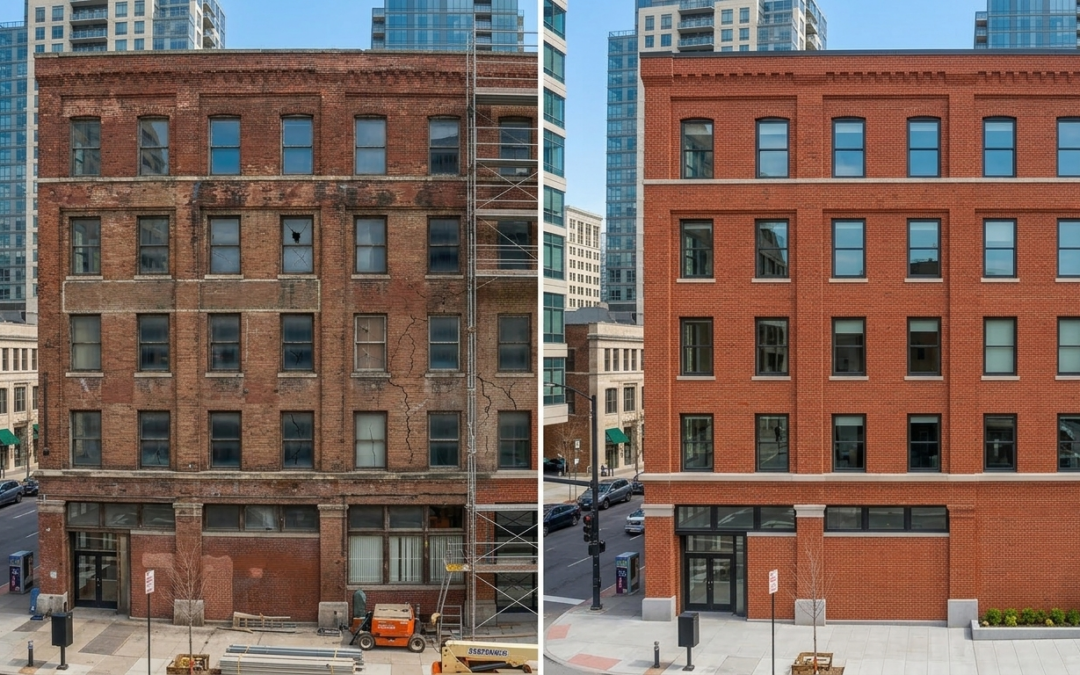
After the building has been cleaned and stabilized, restoration professionals begin repairing damaged structures. This stage may include replacing drywall, repairing flooring, restoring ceilings, rebuilding structural components, and repairing exterior surfaces.
Contractors work carefully to ensure that new materials match the original building design while meeting modern safety standards. Electrical systems, plumbing networks, and ventilation systems are also inspected and repaired if necessary.
Businesses looking for Commercial Building Restoration Services in Reston, VA often rely on experienced restoration teams to manage both repair work and reconstruction efficiently.
Final Inspection and Safety Verification
Before the building can be fully reopened for normal use, a final inspection is conducted to ensure that all restoration work meets safety regulations and building codes. Specialists verify that structural repairs are complete, air quality is safe, and electrical systems function correctly.
During this stage, property owners receive documentation confirming that the building is safe for occupancy. This verification provides peace of mind and ensures that businesses can resume operations without concerns about hidden damage.
Why Professional Restoration Is Essential
Restoring a commercial building requires specialized knowledge, advanced equipment, and coordinated teamwork. Attempting to repair significant damage without professional assistance can lead to incomplete repairs, safety hazards, and long term structural problems.
Professional restoration services offer several important benefits:
- Faster recovery and reduced downtime for businesses
- Accurate damage assessment using specialized tools
- Compliance with local safety regulations and building codes
- Prevention of mold growth and hidden structural damage
- Long term durability and reliability of repaired structures
Business owners who invest in professional restoration services can protect their property, employees, and customers while maintaining the value of their building.
Preventative Strategies for Commercial Property Owners
While restoration services are essential after damage occurs, preventative maintenance can significantly reduce risks. Property owners should regularly inspect building systems and address small issues before they become major problems.
Important preventative measures include:
- Routine roof inspections and maintenance
- Plumbing system checks to detect leaks early
- HVAC servicing to prevent moisture buildup
- Monitoring humidity levels in basements and storage areas
- Regular structural inspections of walls and foundations
Preventative maintenance helps property managers identify potential issues early and reduce the likelihood of costly restoration projects in the future.
Conclusion
Commercial building damage can interrupt operations, impact safety, and lead to financial losses if not handled properly. A structured restoration process ensures that affected properties are inspected, stabilized, cleaned, repaired, and verified for safe use.
From damage assessment to final reconstruction, each step plays a critical role in restoring the building to its original condition. Businesses that respond quickly and work with experienced professionals can minimize downtime and protect their investment.
Property owners seeking reliable restoration support can trust experienced providers like RAMS100, who understand the complexities of commercial building recovery and work to restore damaged properties efficiently and safely.
Frequently Asked Questions
- What does commercial building restoration involve?
Commercial building restoration includes inspection, cleanup, water removal, structural repairs, mold remediation, and reconstruction to restore a damaged property.
- How long does commercial building restoration usually take?
The duration depends on the extent of damage. Minor restoration projects may take a few days, while major structural repairs can take several weeks.
- What types of damage require commercial restoration services?
Common issues include water damage, storm damage, mold growth, fire damage, structural deterioration, and environmental contamination.
- Why is quick restoration important for commercial properties?
Immediate restoration prevents further damage, reduces downtime, and protects employee safety and business operations.
- Can businesses continue operating during restoration?
In some cases businesses can operate in unaffected areas while restoration work is completed in damaged sections.
- What equipment is used during restoration?
Professionals use moisture detectors, industrial drying machines, air scrubbers, pumps, dehumidifiers, and specialized cleaning tools.
- How can mold affect commercial buildings?
Mold can damage building materials and negatively impact indoor air quality, potentially causing health concerns for occupants.
- Are restoration services covered by insurance?
Many restoration projects may be covered by property insurance depending on the cause of damage and policy coverage.
- What should property owners do immediately after building damage?
Property owners should contact restoration professionals quickly to inspect the damage and prevent further structural issues.
- How can commercial buildings reduce future damage risks?
Regular inspections, maintenance of building systems, and prompt repair of minor issues can help prevent major damage in the future.