


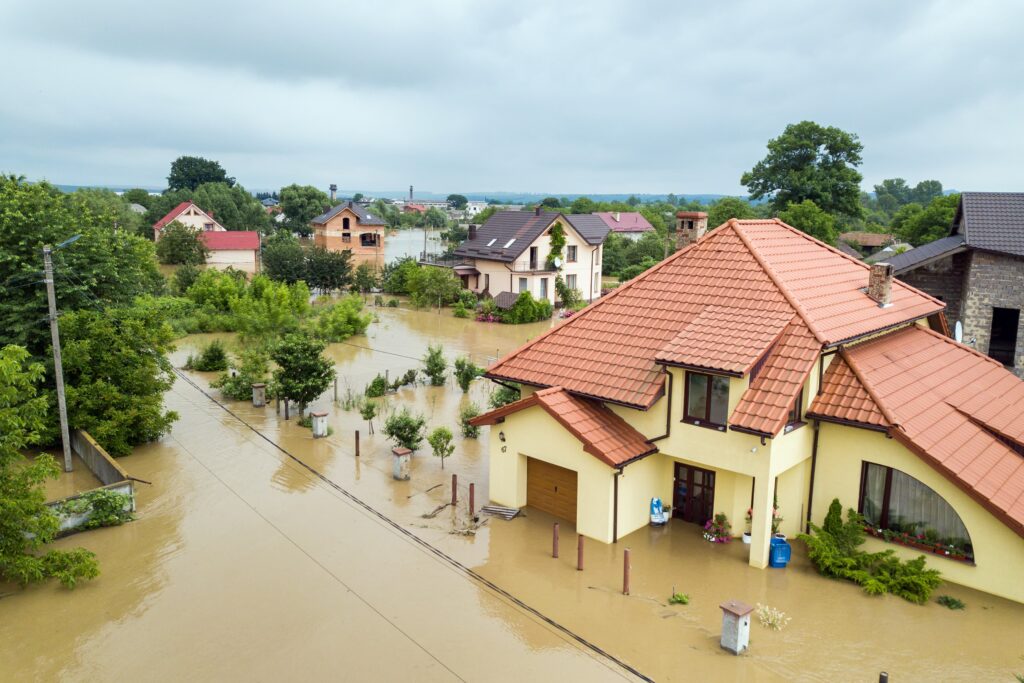
Water damage is one of the most common and costly problems affecting homes and commercial buildings across the state. From heavy storms and overflowing gutters to burst pipes, appliance leaks, and drainage failures, water intrusion can spread quickly and silently. Many property owners search for reliable and immediate water damage repair in Virginia to protect their structures before the damage becomes irreversible. Understanding how water damage occurs and how restoration teams handle the process can help you act with confidence during emergencies.
Water damage is far more than a surface-level issue. Even small leaks can seep into drywall, flooring, insulation, and electrical systems. When moisture is not treated promptly, it leads to mold growth, structural weakening, unpleasant odors, and potentially dangerous indoor conditions. This is why professional water restoration services are essential for preserving your property’s safety, value, and long-term stability.
What Causes Water Damage in Virginia Properties
Water damage can occur in almost any building at any time. Some of the most common causes include heavy rainfall, storm runoff, frozen or burst pipes, plumbing failures, roof leaks, clogged gutters, sewer backups, and malfunctioning appliances. Because Virginia experiences seasonal storms, fluctuating temperatures, and high humidity, homes and businesses are especially vulnerable to moisture-related problems.
Minor leaks may appear harmless, but hidden water can spread quickly behind walls or under flooring. Early detection and fast response are the keys to preventing extensive damage.
Why Immediate Water Damage Repair Is Critical
Water spreads rapidly through porous materials. Within minutes, drywall absorbs moisture. Within hours, wood begins to swell. Within a day, mold spores can multiply. When damage goes untreated, restoration becomes more complicated, more expensive, and more time-consuming.
Immediate action is important because it prevents structural decay, mold contamination, and electrical hazards. Professional restoration teams use advanced tools such as thermal imaging cameras, moisture meters, industrial air movers, and commercial-grade dehumidifiers to remove water thoroughly and restore the building to a safe, dry condition.
Types of Water Damage You May Encounter
Water damage is typically categorized based on the level of contamination.
Category 1 refers to clean water from sources like burst pipes or appliance leaks. If addressed quickly, the damage is easier to repair.
Category 2 involves gray water that may contain contaminants from dishwashers, washing machines, or minor sewage issues. This type of water requires sanitization.
Category 3 is black water, which is highly contaminated. It comes from sewage backups, stormwater floods, or groundwater intrusion. This type of water requires specialized disinfection and removal procedures.
Understanding the type of water involved helps determine the restoration plan, safety precautions, and time required for repair.
The Water Damage Repair Process Explained
Inspection and Assessment
The restoration team begins by inspecting the property, identifying moisture sources, measuring water levels, and determining the areas affected. They document findings for insurance claims and create a customized restoration plan.
Water Extraction
Standing water is removed using industrial pumps and vacuums. Quick extraction prevents deeper saturation and reduces the risk of mold growth.
Drying and Dehumidification
Air movers, heaters, and dehumidifiers work together to dry structural elements such as walls, floors, cabinets, and ceilings. This step is crucial because even small pockets of moisture can lead to long-term damage.
Cleaning and Sanitizing
Surfaces are disinfected to eliminate bacteria, odors, and contaminants. This is especially important when the water source includes gray or black water.
Repair and Restoration
Once moisture has been fully removed, the restoration team repairs or replaces damaged materials. This may include drywall installation, flooring replacement, insulation repair, painting, or carpentry work. The goal is to return the property to its pre-damage condition or better.
Why Professional Restoration Matters
Professional water damage repair provides expert-level care that prevents future issues. Specialists are trained to uncover hidden moisture, which homeowners often overlook. They also ensure that mold does not have a chance to grow and that building materials are thoroughly dried.
In addition, restoration companies help with insurance documentation, which can make the claims process smoother and quicker. Their experience saves property owners time, money, and unnecessary stress during an already difficult situation.
Warning Signs That Your Property May Have Hidden Water Damage
Even if water is not visible, there are signs that moisture may be trapped within your structure. Look for bubbling paint, warped floors, musty odors, water stains, discoloration on walls, sagging ceilings, mold spots, or higher humidity in certain rooms. These symptoms indicate a moisture problem that requires immediate inspection.
Conclusion
Water damage is a serious issue that requires quick action and professional expertise. Whether the damage is caused by storms, plumbing failures, or hidden leaks, a prompt and thorough response can protect your home or business from costly repairs and long-term complications. For dependable, experienced, and high-quality restoration services, RAMS100 provides trusted solutions that help property owners recover with confidence.
FAQs
- How quickly should I call for help after discovering water damage?
You should call immediately because damage spreads within minutes. - Can water damage cause mold?
Yes, mold can begin growing within 24 to 48 hours after moisture exposure. - Does insurance cover water damage repair?
Many policies do, but it depends on the source of the water and your coverage. - Can I clean up water damage myself?
Minor spills can be managed, but large or hidden water damage needs professionals. - How long does the drying process take?
Most properties dry within 2 to 5 days depending on the extent of damage. - Are damaged walls and flooring always replaceable?
Not always. If treated early, some materials can be restored. - What tools do professionals use for repair?
They use moisture meters, pumps, air movers, dehumidifiers, and thermal imaging. - Is water damage dangerous?
Yes, it can weaken structures and create health risks due to mold and bacteria. - How do I know if the water is contaminated?
A professional inspection identifies the water category and contamination level. - When should I call a restoration company?
Call immediately when you see water, smell musty odors, or notice stains and moisture.